
OLED TV Pros and Cons: What to Know Before You Buy
Key Takeaways
- OLED TVs use self-lighting pixels, which means deeper blacks, sharper contrast, and a more immersive viewing experience.
- Picture quality and refresh speeds are the biggest advantages of OLED TVs, especially for movies, gaming, and sports.
- OLED isn’t for everyone; price, room brightness, and viewing habits matter.
- With rent-to-own electronics from Rent-A-Center, you can enjoy premium tech without the high upfront cost.
What Are OLED TVs?
If you’ve been window-shopping for smart TVs lately, you’ve probably seen the term “OLED” everywhere, but what does the term even mean? OLED stands for “organic light-emitting diode.” That means each individual pixel on an OLED TV emits light rather than relying on a backlight, as most other display technologies do.
Why does this matter? Because when a pixel turns off completely, you get true, deep black levels and an almost infinite contrast ratio. The result is richer colors, sharper details, and a more cinematic image — the perfect combo for those who want their sports, movies, and video games to feel more immersive than ever.
How Does an OLED TV Work?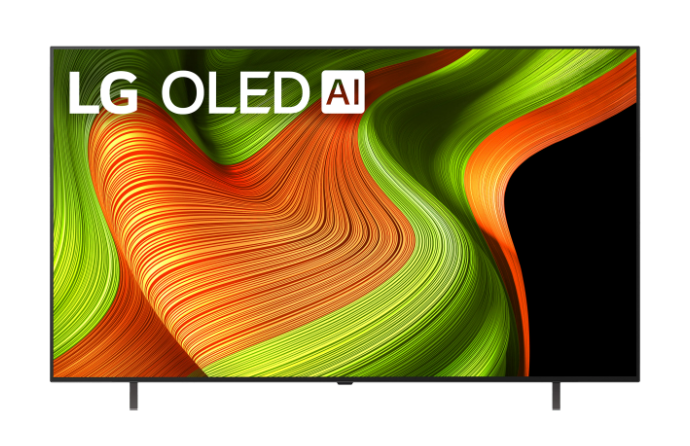
OLED screens are made from extremely thin, carbon-based organic layers sandwiched between conductors. When an electrical current passes through these layers, they emit light. Each pixel produces its own light and color and can be turned on or off independently of the surrounding pixels.
This self-emissive design enables OLED displays to achieve their renowned deep black levels, clarity, color accuracy, and wide viewing angles. It also reduces motion blur and improves response times, which is why OLED TVs excel in displaying fast-action sports, movies, and gaming.
Despite the similar acronym, OLED isn’t the same as standard LED TV technology. Without getting too technical, OLED TVs are “solid state” devices, meaning there are no moving parts involved. So, unlike older LCD-based TVs, OLED doesn’t rely on liquid crystals that need to be twisted or filtered by a backlight to create an image.
OLED TV Pros and Cons
OLED offers many advantages over other display technologies, but, like everything, it also comes with trade-offs. Here’s a clear, no-hype list of OLED pros and cons:
Pros
- Exceptional Image Quality: Thanks to self-lit pixels, OLED TVs can attain a nearly infinite contrast ratio, delivering crisp highlights, accurate yet vibrant colors, and incredibly deep black levels.
- Minimal Light-Bleed: Since pixels can turn off completely, there’s no backlight glow from an OLED, resulting in a sharp separation between bright and dark areas of the scene.
- Wide Viewing Angles: OLED TVs offer consistent color and contrast even when viewed from the side, so everyone in the living room enjoys the same great picture.
- Smooth Motion: Fast pixel response times help reduce motion blur, which is especially noticeable during sports, action scenes, and gaming.
- Slim, Modern Appearance: Without a bulky backlight, OLED TVs are impressively thin and lightweight, giving your space a clean, modern look.
Cons
- Higher Price Point: OLED TVs typically cost more than standard LED TVs and many QLED TVs, making them a premium investment.
- Lower Peak Brightness: While OLED performs well in most homes, very bright rooms with lots of sunlight may favor other display technologies, like LCD or QLED.
- Risk of Screen Burn: While burn-in is uncommon with normal viewing, and following your TV’s manual can reduce long-term risk, OLEDs can theoretically suffer from burn-in. (More on this later.)
- Potentially More Than You Need: OLEDs are undoubtedly beautiful, but casual TV watchers may not fully appreciate their advanced picture capabilities.
If you love the pros but want flexibility, rent-to-own OLED TVs from Rent-A-Center let you enjoy premium picture quality without the pressure of paying the full price upfront, and make it easy to upgrade later via RAC Exchange if needed.
OLED TV FAQs
How Long Do OLED TVs Last?
Modern OLED TVs are built to last many years with regular use. While manufacturers don’t provide a specific lifespan for their displays, current estimates range from 50,000 to 100,000 hours of run time. So, if you watched TV for 8 hours every day, your OLED TV could theoretically have a lifespan of 17–34 years. Ultimately, following your TV’s manual for care and settings should maximize longevity.
Are OLED TVs Reliable?
Manufacturers have refined OLED technology since their initial release to improve durability, brightness, and long-term performance. So yes, today’s OLED TVs are widely considered reliable, especially from name brands like LG or Sony.
Is OLED TV Burn-In a Problem?
TV burn-in can occur when static images, such as channel logos or video game HUDs, remain on screen for extended periods, but it’s rare in most households. Mixing up your content and using recommended settings goes a long way toward preventing burn-in. Additionally, OLED TVs typically include built-in features such as pixel shifting and screen refresh cycles to help prevent this issue.
Are OLED TVs Good for Gaming?
OLED TVs are excellent for gaming. Apart from their stunning visuals, their fast response times and low input lag help reduce blur and screen tearing during fast-paced gameplay. Many OLED models also support advanced gaming features like variable refresh rates, making them a great choice for both console and PC gamers who want an immersive experience.
Are OLED TVs More Energy Efficient?
OLED TVs can be more energy-efficient than competing display technologies, especially when displaying darker scenes, because each pixel consumes power only when emitting light. Bright, colorful content may consume more energy, but overall efficiency often rivals or exceeds that of other display methods.
Are OLED TVs Good for Bright Rooms?
This is the main area where QLEDs and OLEDs differ. Most OLED TVs perform best in rooms with moderate or controlled lighting. While newer models have improved brightness, very sunny rooms may still benefit from QLED TVs, which can reach higher peak brightness levels. Ultimately, if you have a bright house but want an OLED TV for its superior picture, adjusting its placement or using curtains can help you appreciate OLED tech to the fullest.
Recommended Post: OLED or QLED, Which is Best?
Is OLED the Best TV Technology?
So, are OLED TVs the best on the market? For many people, yes, especially if your current TV needs an upgrade and picture quality is your top priority. But the real question is much more personal:
Is OLED Worth It?
Ask yourself how often you watch TV, what you watch most, and how bright your room is. If you only watch TV occasionally or don’t mind slightly washed-out blacks, slightly inaccurate colors, and slower refresh rates, there’s nothing wrong with that; traditional display technologies may be the right choice for you. But if you’re a movie lover, gamer, or someone who wants a premium, immersive media experience, you’ll likely agree that a name-brand Sony, Samsung, LG OLED, etc. is worth the investment.
Ready to Experience OLED?
OLED TVs can be an exciting upgrade, and fortunately, Rent-A-Center makes it easier to enjoy premium TV technology with our flexible rent-to-own option, free delivery, and RAC Exchange, in case your needs change. Explore our rent-to-own OLED TVs online or visit your nearest location today!
*“RAC Exchange” program valid for agreements entered at select locations, is available to new and existing customers and applies to inventory obtainable by store location. Cash price of the item selected for exchange may not exceed approval amount, which is subject to validation and adjustment prior to exchange and may vary from original approval amount. Exchange requires execution of rental agreement for item selected for exchange, which must be completed within six (6) months following the first active rental date of item being returned for exchange. Agreement for item being returned for exchange must be in good standing (with all rental payments current) at the time of exchange and product must be in good condition. Rent paid for prior agreement will be applied to reduce the total cost to own for the replacement agreement but rent paid may not be applied in full to Same As Cash amount for replacement agreement. Any applicable Same As Cash period will apply to new agreement based on product selection and agreement term. The amount of rent paid from prior agreement eligible for application to Same As Cash amount for replacement agreement may vary from 40% to 66%, depending on your state of residence. Exchanges under program may not be combined with other discounts, offers or promotions. Participating locations only. Eligible items only. All items subject to availability and approval. See Store Manager for complete details.